
HONORING HISTORY. INSPIRING CHANGE.
Welcome to the Tulare Memorial Project, a community-driven effort to shed light on a little-known chapter of American history.

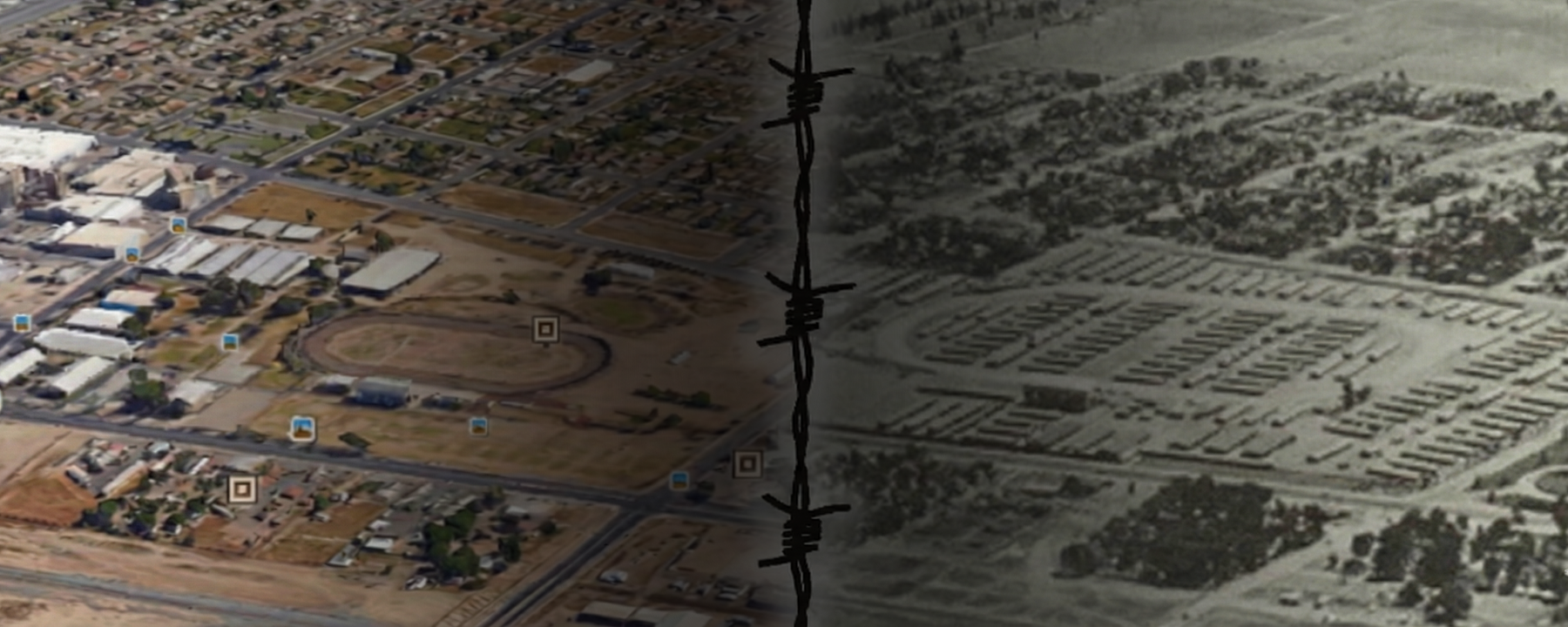
Aerial view of Tulare Assembly Center, California, c. 1942. Courtesy of Densho
During World War II, over 5,000 Japanese Americans were forcibly removed from their homes and confined at the Tulare Assembly Center, a temporary detention facility operating from April to September 1942. For decades, this history remained invisible at the Tulare County Fairgrounds. Today, we are working to change that.
Our Mission
To honor the resilience of those who endured incarceration, educate the public about Tulare’s role in this injustice, and ensure that future generations learn from the past.
Progress
Support the Memorial
Your contribution helps preserve history and promote understanding. Every donation brings us closer to honoring those who endured incarceration and educating future generations.
We would like to thank the following sponsors for their monetary support



We would like to thank the following sponsors for their in-kind support


Memorial Features
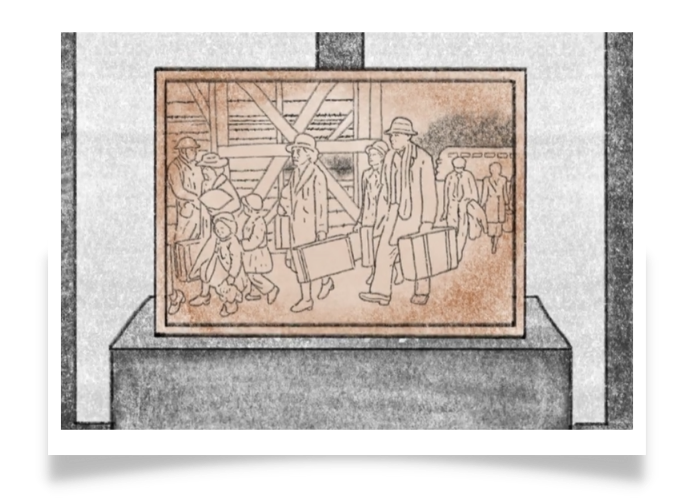
A bronze bas-relief sculpture by renowned artist Sam Peña
This centerpiece will serve as a powerful visual tribute to the resilience and humanity of those incarcerated at the Tulare Assembly Center.
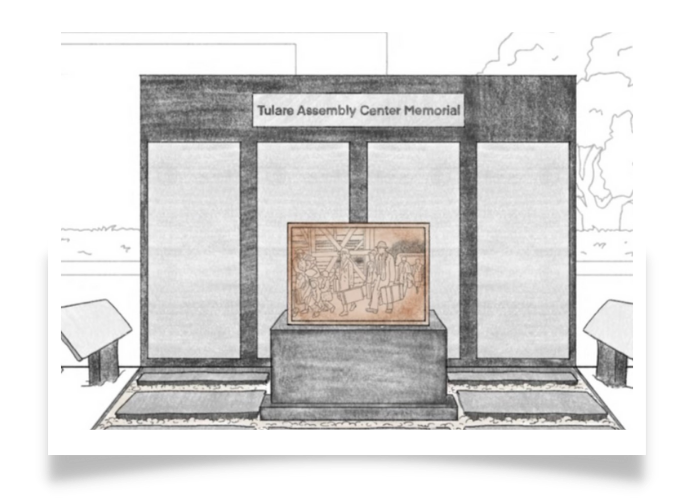
A wall inscribed with the names of all who were incarcerated at Tulare
A memorial wall bearing the names of all who were incarcerated at Tulare will stand as a lasting tribute to their memory.
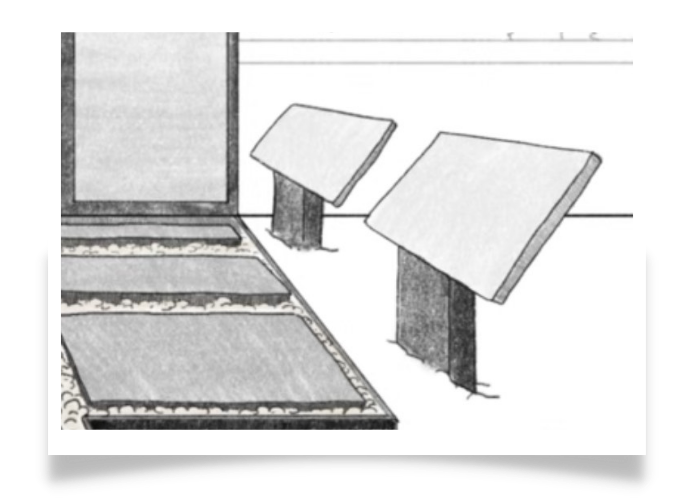
Storyboards sharing personal stories and historical context
Storyboards will share personal stories and historical context, bringing the experiences of those incarcerated at Tulare to life.
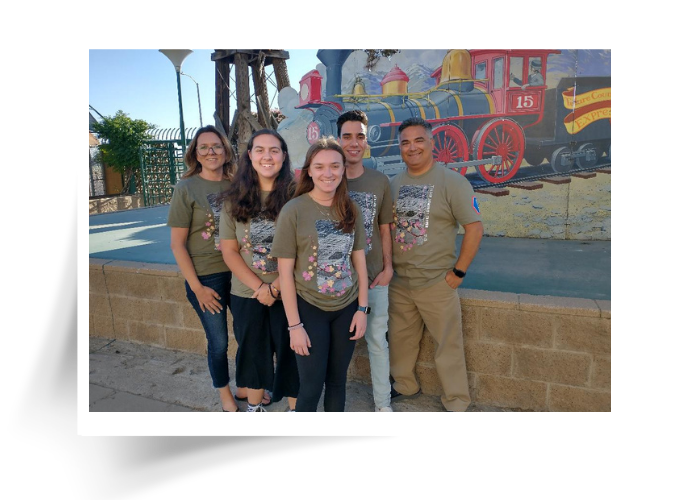
Fairgrounds CEO Denna Rizzardo (left) and Mission Oak High School Teacher Michaelpaul Mendoza (right) with student members of the Tulare Assembly Center Memorial Committee
Join Us
This project is driven by students and is guided by the voices of survivors, descendants, and the Japanese American community. Share your input, support our efforts, and help us bring this memorial to life.
Why It Matters
At a time when civil liberties remain under threat, remembering Tulare’s history reminds us of the consequences of fear and prejudice—and the power of collective action to create a better future.